How about having your own online storefront?
Kyte can help you!
Peptides
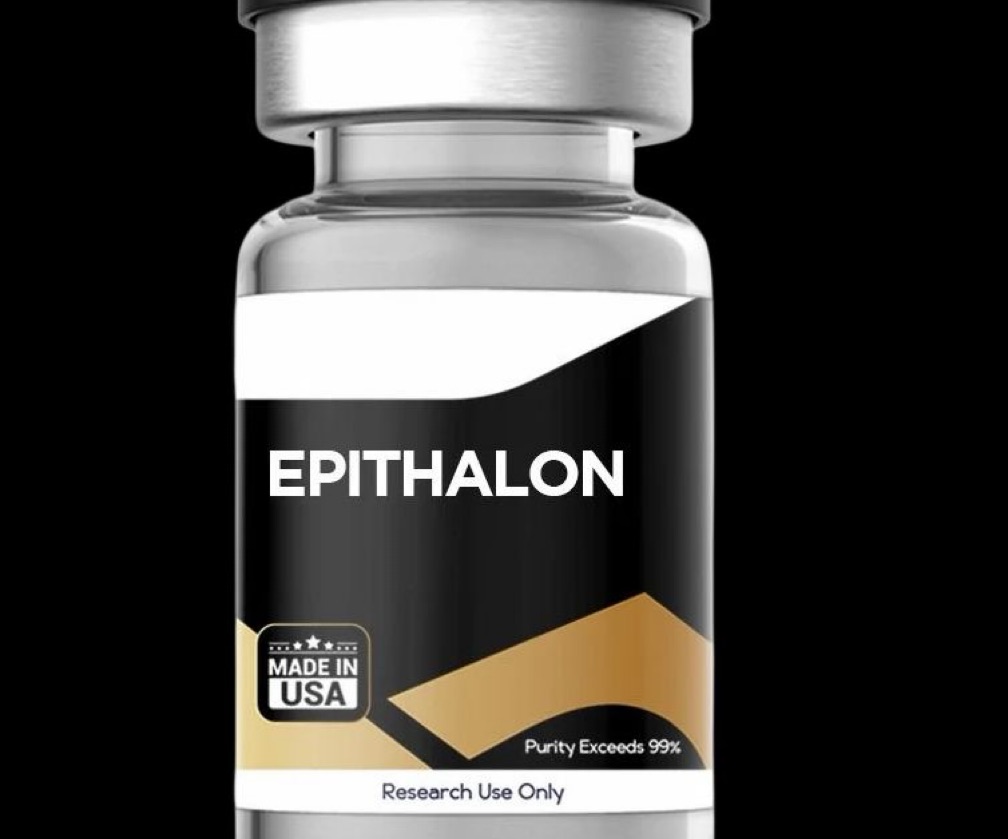
Epithalon 10mg
-5%
$20.00
$19.00
-5%
DESCRIPTION
Epithalon (AEDG) — Research Peptide Epithalon (also called AEDG, Epitalon, or Epithalone) is a synthetic tetrapeptide composed of Ala–Glu–Asp–Gly. It is studied as a pineal/retinal peptide analog related to the naturally occurring preparation “Epithalamin.” Preclinical and exploratory work has examined epigenetic regulation, chromatin interactions, oxidative-stress readouts, and tissue-specific functional markers in cell and animal models. Key Points Class: Tetrapeptide (AEDG) investigated as a pineal/retinal peptide analog. Focus of study: Chromatin/histone interactions, transcriptional programs, oxidative stress markers, telomere biology proxies, and tissue-specific functional outputs in research models. Context: Findings vary by model, dose, and protocol; mechanisms remain under investigation. Chemical Information Molecular Formula: C14H22N4O9 Molecular Weight: 390.34 g/mol Also Known As: Epitalon, Epithalone, AEDG Research Highlights (Preclinical/Exploratory) Chromatin & Transcription Programs In vitro studies have explored Epithalon’s interaction with histones and chromatin structure, with reports of altered accessibility and shifts in transcription of lineage and differentiation markers in selected stem-cell models (e.g., neuronal/retinal readouts). Results are model- and protocol-dependent. Oxidative Stress Readouts Cell models assessing aging-associated stress have reported reduced reactive oxygen species (ROS) signals at specific concentrations, alongside preservation of subcellular structures relevant to cell division and mitochondrial function. These observations are assay- and dose-dependent. Cell-Cycle & Senescence Markers Exploratory work has evaluated caspase activity, proliferation markers, and matrix-related enzymes in aging cell cultures, with reports consistent with anti-apoptotic signaling and proliferative marker increases under certain conditions. Findings should be interpreted within each model’s limits. Genome Stability & Telomere Proxies Selected systems have examined chromosomal aberrations and telomere-length proxies under experimental stress. Some reports note shifts consistent with reduced aberration incidence or telomere-supportive signals in specific models and time windows; replication and standardization remain active needs. Tissue/Organ Contexts (Exploratory) Pineal/Retinal Axis: Studies explore transcriptional parallels between epiphysis (pineal) and retina, with model-specific functional readouts. Endocrine/Chronobiology: Aging-model work has investigated circadian and hormone-related readouts (e.g., melatonin patterns) in limited settings. Immune/Thymic Morphology (avian models): Morphometric changes have been reported in hypophysectomized bird models under defined protocols. Specifications Form: Lyophilized powder Typical Purity: ≥99% (HPLC); COA available per lot Packaging: Research-grade, sealed vial Storage & Handling Store lyophilized material in a cool, dry place, protected from light. After reconstitution: refrigerate at 2–8 °C. For long-term stability: store at −20 °C; avoid repeated freeze–thaw cycles. Compliance Notice For laboratory research use only. Not for human or veterinary use. No medical claims are made; descriptions refer to in vitro/in vivo research contexts.
Peptides
Epithalon 10mg
$20.00
$19.00