How about having your own online storefront?
Kyte can help you!
Peptides
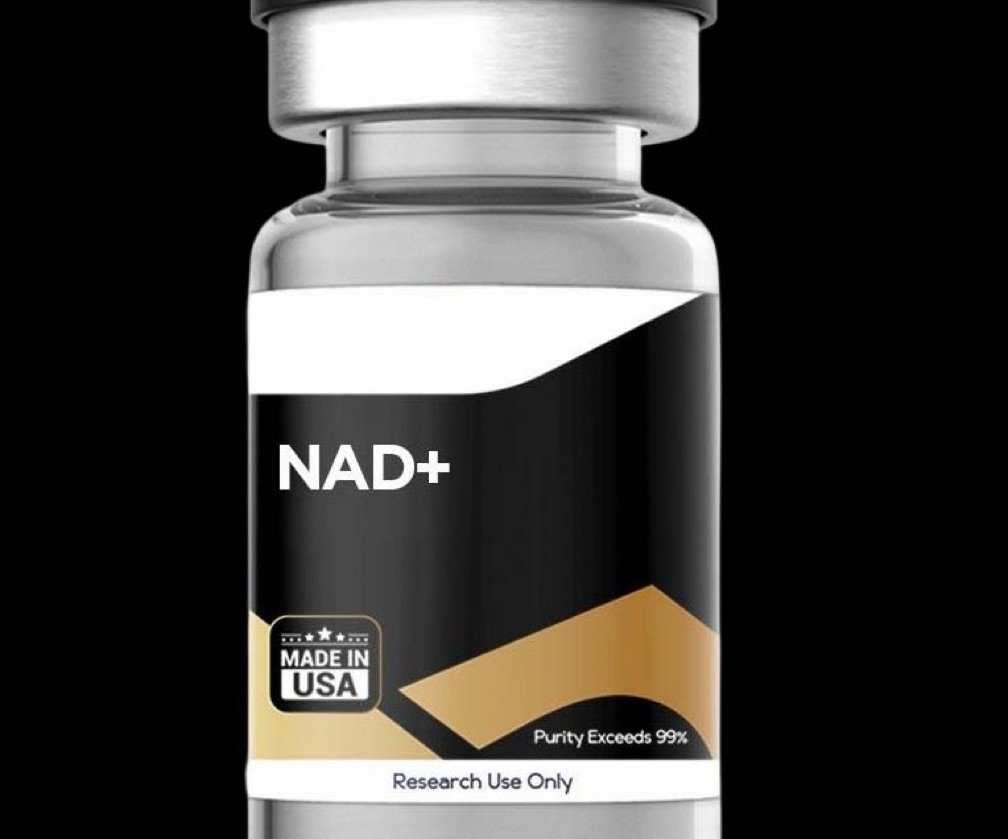
NAD+ 50mg
$20.00
DESCRIPTION
+ Peptide Nicotinamide Adenine Dinucleotide (NAD+) is an endogenous pyridine nucleotide that participates in redox reactions and serves as a cofactor/substrate for multiple enzyme families linked to cellular energy balance, genomic maintenance, and stress responses. In mammalian systems, NAD+ is synthesized via de novo (tryptophan-derived) and salvage pathways using precursors such as nicotinamide (NAM), nicotinic acid (NA), nicotinamide riboside (NR), and nicotinamide mononucleotide (NMN). Cellular NAD+ pools have been associated with hundreds of enzymatic and signaling processes. Mechanistic Context Redox coenzyme: NAD+/NADH in glycolysis, the TCA cycle, and oxidative phosphorylation. NAD+-dependent enzymes: Sirtuins (SIRT1–7): investigated in mitochondrial homeostasis, stress resistance, and stem-cell biology. PARPs (poly-ADP ribose polymerases): studied in PARylation, DNA-damage sensing, and repair. cADPR enzymes (CD38/CD157): explored in calcium signaling and immune regulation. Active research examines NAD+ pool competition among these enzyme families and the balance between DNA repair, mitochondrial function, and cell signaling. Chemical Information Molecular Formula: C21H27N7O14P2 Molecular Weight: 663.43 g/mol Synonyms: Nicotinamide adenine dinucleotide Key Findings from Preclinical Literature The following summarize reported observations from cell and animal models and do not imply outcomes in humans. Productive aging (NR/NMN): Long-term NMN exposure in aging mice has been reported to raise tissue NAD+ with signals of reduced age-related weight gain, higher energy expenditure, and improved activity/lipid profiles. Mitochondrial function & neurobiology: In aged murine models, NMN has been linked to improved mitochondrial respiration and oxygen consumption in neural tissues. DNA repair after ischemic stress: In rodent neuronal cultures, exogenous NAD+ before or after oxygen–glucose deprivation correlated with higher viability and enhanced base-excision repair indices (consistent with PARP-dependent repair). Liver/kidney metabolism: Modulating NAD+ toward youthful levels in mice has shown signals of improved hepatic metabolic homeostasis; NMN/NAD+ have been explored in models of renal injury and glucose-related hypertrophy. Skeletal muscle energetics: Short-course NMN in aged mice has been associated with higher ATP production, reduced inflammatory signaling, and elevated mitochondrial function. Cardiac ischemia: Pre-ischemic NMN administration in mice has shown cardioprotective signals against ischemic injury. Research Applications Redox biology and cellular energy metabolism Mitochondrial dynamics and biogenesis PARP/SIRT-linked DNA-damage sensing and repair Calcium signaling (cADPR/CD38) and immunometabolism Age-associated physiology and ischemia/reperfusion models Product Details Size: e.g., 50 mg (customize) Contents: NAD+ (lyophilized) Form: Lyophilized powder Purity: >99% (HPLC) Storage: –20 °C (dry); protect from light and moisture Reconstitution: Sterile water or suitable buffer; aliquot to avoid repeated freeze–thaw Stability (reconstituted): Short-term 2–8 °C; for longer storage, aliquot and freeze (investigator to validate conditions) For laboratory research only. Not for human use, diagnostic, or therapeutic applications.
Peptides
NAD+ 50mg
$20.00